
Too Few Accountants?
10/23/2023
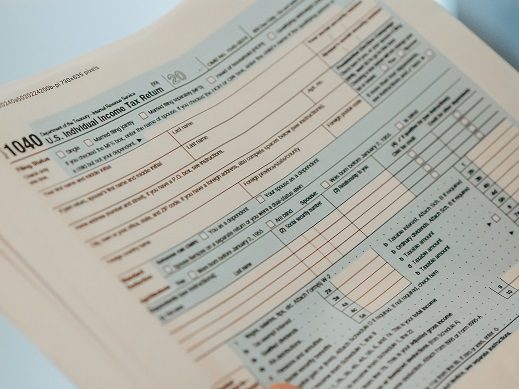
The extended period for filing 2022 tax returns ended last week. The last few days before the deadline were no doubt frantic for tax accountants across the country. To add to the work and anxiety, the last few years have seen delays in processing by the IRS, including refunds, and an increasing number of investors’ business tax documents coming in later than usual or with subsequent revisions. Any of these factors can be frustrating, but of particular concern is what seems to be a core problem facing the tax accounting industry: an expanding shortage of accountants.
According to data from the Bureau of Labor Statistics (BLS) and the American Institute of Certified Public Accountants (AICPA), 75% of the CPA workforce reached retirement age in 2020, and over 300,000 left their job from 2019-2021. Given the total number of accounting and audit jobs is 1.5 million, the wave of retirements and resignations has been highly significant.
The next generation of the accounting workforce has not been able to bridge the gap. In fact, the number of annual college graduates with an accounting degree is down nearly 15% since 2018. Data recently published by the AICPA shows that 2022 saw a 7.8% decline in the number of graduating students with bachelor’s degrees in accounting compared with 2021. The overall college enrollment for accounting has also been trending downward, dropping by roughly 7% from 2019 – 2022. So, what is going on in the accounting industry?
Many have attributed the declining appeal of the accountancy profession to a lack of work life balance, with long hours of what can be tedious and repetitive work. Accounting has long been known for busy seasons, where associates might work 60-80-hour weeks. However, in recent years, the large volume of private equity transactions and increased filing requirements by the SEC are thought to have stretched accounting teams to a breakpoint where many young professionals appear to be burning out.
Compensation may also contribute to accountants’ decisions to choose another career path. With 150 credit hours required to obtain the CPA license, accounting degrees often require an additional year of college, which can be costly. The median salary for accountants and auditors is also lower at $77,250, compared to $95,570 for financial analysts or $100,530 in computer and IT occupations in 2022 (BLS). With longer hours, lower pay, and those who remain carrying an increasingly heavy burden as colleagues move to other industries, accounting firms appear to be suffering from a vicious cycle.
The industry is seeing some cause for optimism about the future. There is an increased push for accounting firms to embrace technology, including generative AI. This could help shift the role of CPAs from auditor to architect, perhaps a more fulfilling endeavor, especially if the more mundane aspects of the job are removed. A prolonged shortage of CPAs will likely produce undesirable symptoms for individuals and organizations. Solving the problem might well involve paying more for a CPA to prepare our tax returns.
Corey Erdoes