
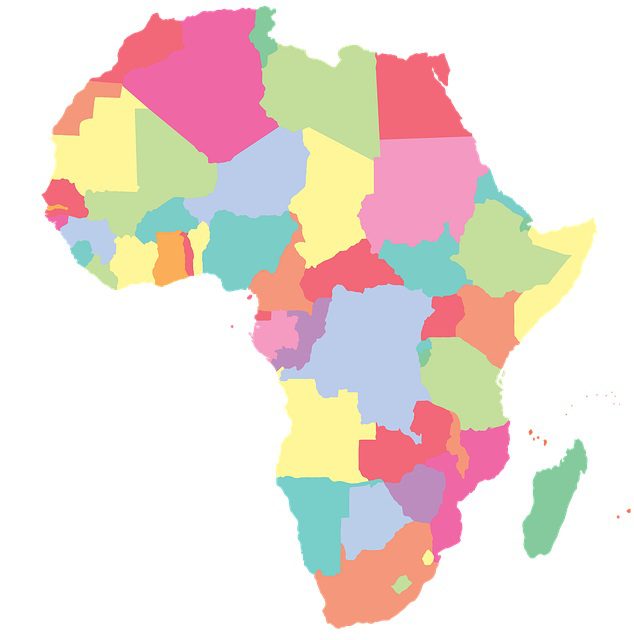
Africa – Our Global Future?
I do not believe that organizations like Prize Picks offer an ‘over/under’ bet on Africa becoming the continental powerhouse of the global economy; however, if they did, I would consider taking the over. There are many factors at play that show that the entrenched negative views about this continent are simply wrong.
First, the media heavily influences our perception of Africa by its (unintentional?) selective news focus. Disasters such as famines and the effects of human corruption get much coverage. The media creates a picture of a place that needs our help, notwithstanding 50-60 years of help from the West, which has achieved little. This focus on disasters oddly excludes any real engagement in reporting on brutal African conflicts, with South Sudan being a current example.
Second, the routine reference to ‘Africa’ implies a comical homogeneity. Africa has the most recognized sovereign nations of any continent at 54. It has the world’s most genetic diversity, as might be expected of a landmass that is the cradle of our species. The mix of African culture, climate, and landscape is breathtaking. Most importantly, there is a wide range of diversity in economic development. There are, of course, African countries that are still struggling terribly, with South Sudan and Burundi being at the bottom of the list. However, there are many African countries with stable governments that are showing real economic progress. Botswana, Gabon, and Equatorial Guinea are three examples.
Third, the demographics of African countries are so much more positive than elsewhere in the world. The average age of the population is just under 20! For context, the same metric in Europe is about 43. Moreover, demographers project population increases across the continent. By 2100, four of the top ten most populous countries will be African: Nigeria, the Democratic Republic of Congo, Ethiopia, and Tanzania.
Fourth, we tend to focus on how far behind African countries are on metrics such as life expectancy, literacy, and GDP per capita. We do not, however, give credit for how African countries are closing the gap through steady progress.
Fifth, African countries are benefiting from deploying new technologies quickly and efficiently. They adopted mobile phones with no overhead telephone lines in sight.
I am convinced that many African countries will be successful and soon rival European nations with swiftly declining populations. I also recognize that the outlook remains bleak for some. Corrupt and extractive governments do not generate growth and well-being for the people they rule. After all, such regimes are based on violence, taking from others, and sharing proceeds among very few. For these countries, I hope that stability and prosperity will spread as these conditions become the norm across the continent.
So, if you have a child or grandchild born in the last five years, be sure to keep them educated about the overlooked continent that is Africa. These children will live to see profound changes in the world order and the rise of African nations.
Richard Rushton