
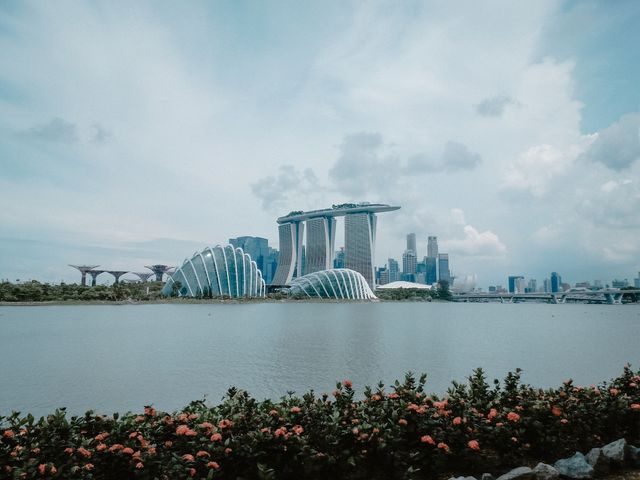
Singapore: The City‑State That Became a Corporation
The last time I visited Singapore was in 1977, and returning today feels like stepping into an entirely different world. The small, humid trading post I remember has transformed into one of the most efficient, orderly, and economically disciplined societies on the planet. In many ways, it should no longer be called a country at all. It should be referred to as Singapore Inc., because it is run with the precision, foresight, and operational rigor of a world-class corporation.
What strikes you first is the law and order. Not the performative kind, but the real, respected, universally applied rule of law that creates trust and predictability. It stands in stark contrast to the absurdity unfolding in places like California, where discretionary prosecution has effectively decriminalized theft under $950. Singapore takes the opposite approach: clarity, consistency, and consequences. The result is a society where people feel safe, businesses feel protected, and the social contract actually works.
That sense of order extends to the physical environment. Singapore is clean—so clean that the old saying goes you could probably eat off the pavement. It sounds like an exaggeration until you walk the streets yourself. There is no trash, no graffiti, no urban decay. Cleanliness isn’t just an aesthetic choice; it’s a cultural value and a national priority.
The public transportation system is another revelation. The MRT subway network is world‑class: efficient, on time, and spotless. Trains glide in and out with the reliability of a Swiss watch, and stations feel more like modern airports than underground tunnels. It’s the kind of infrastructure that signals competence and long‑term planning—qualities that define Singapore’s entire approach to governance.
Safety is woven into daily life. We were told, quite casually, that you could leave your phone on a café table, walk away, and return to find it exactly where you left it. In most major cities, that would be laughable. In Singapore, it’s normal. That level of public trust is rare, and it’s one of the reasons families and entrepreneurs feel comfortable putting down roots here.
It’s no surprise, then, that Singapore has become deeply business‑friendly, especially for global investors and family offices. The regulatory environment is clear, the tax structure is competitive, and the government actively courts high‑value economic contributors. Even James Dyson—one of the world’s most successful inventors and industrialists—relocated his family office to Singapore. That kind of vote of confidence doesn’t happen by accident.
Real estate development reflects the same discipline. Growth is planned, thoughtful, and controlled by the government to ensure balance between density, livability, and long‑term sustainability. Nothing feels haphazard. Everything feels intentional.
Singapore today is a masterclass in national strategy: safe, clean, efficient, and economically magnetic. It has reinvented itself from a struggling island into a global powerhouse—not by chance, but by design. And for anyone who hasn’t been there since the 1970s, the transformation is nothing short of astonishing.
Nick Hoffman