
Beware the Messengers
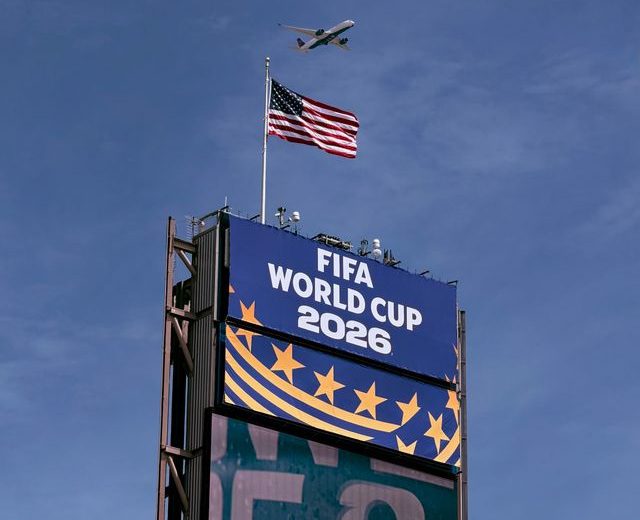
The World Cup circus has left town. The tournament organizers, FIFA, are back in Switzerland, breathlessly counting their money. The US sports world has effortlessly resumed its normal routine, with little to show for the four-yearly competition that rocks the world. Maybe the biggest impact has nothing to do with the sport of soccer at all. Instead, it is the potentially lasting influence of what being in our country meant for so many international fans.
You have probably seen reports about the wonder that many visiting soccer fans experienced while in the US. These reports were heartwarming. Some were trivial (“How big is Bu-cees?”) but many reflected on the hospitality, friendliness, and generosity of the American people. While being delighted to hear those reactions, I could not help but ask a quite simple question – why was there such surprise? In my experience, Americans have always been this way. Moreover, American life has forever been super-sized compared to other countries.
The answer must be down to the fact that we form so many of our opinions based upon what we are told by others. The information has of course become more strident, and partisan in the time of social media. Gradually, people overseas have been led to believe that the US is ignorant, arrogant, unintelligent, and dangerous. Only by visiting the country could people begin to see that much of what they believed was wrong.
The lessons to be drawn from the World Cup soccer fan experience do have parallels for investing. People making investments rely very heavily on what they read or what they are told. Furthermore, many of the prognosticators have a personal stake in the impact of the message, which can be as blunt as a direct financial interest or a more nuanced desire to gain more followers. Three recent stories illustrate the issue.
Gold, often incorrectly sold as a ‘store of value’ which protects against inflation and volatility, was above $5,200 per ounce in March this year. The messaging (and resulting FOMO effect) was all about buying gold, with gold traders often being the proponents. Today, gold trades at just below $4,100. More recently, SpaceX took the FOMO effect even further. The IPO attracted many smaller investors keen to cash in. The stock briefly popped about $200 in June but today the price is nestling around $120. On the opposite side of the coin, private credit has taken a beating. Since a severe problem surfaced for Blue Owl Capital, an asset management firm with a heavy concentration in private credit, the whole sector has been subject to a drumbeat of doom. Insightful analysis, perspective, and even performance have been set to one side to make sure the narrative remains newsworthy.
All of this goes to demonstrate that it is critical to validate, triangulate, and fact-check information sources on anything to do with investments. This is especially true if the reports play on emotions. Beware of the messengers and their motivations.
Richard Rushton