
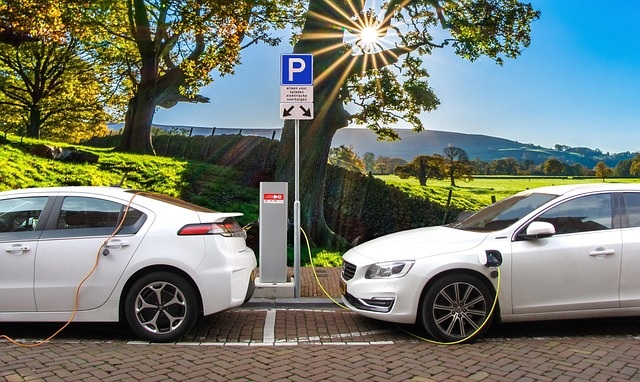
The Rise of the Pragmatic EV
We own one electric vehicle in our family, but until a few weeks ago, I had rarely driven it. After spending a week behind the wheel, I came away impressed. I especially appreciated not having to stop at a gas station. With a relatively short commute and access to a charger at our office, I did not have to think about fueling or charging all week.
While electric vehicles can be a great option for those with short commutes, they have lacked practicality for drivers with long commutes, frequent road trips, or significant cargo and towing needs.
For years, battery electric vehicles (BEVs), hybrid electric vehicles (HEVs), and plug-in hybrid electric vehicles (PHEVs) have dominated the electric vehicle market in North America. However, newer technology is poised to become more mainstream. Extended-range electric vehicles (EREVs) can typically drive 80 to 150 miles on battery power alone before a small gasoline-powered generator recharges the battery, extending total driving range to more than 500 miles, with some models targeting 700+ miles. Unlike traditional hybrids, the engine is not connected to the drivetrain and acts solely as an onboard generator.
The technology behind EREVs is not new. Similar concepts have been used in other applications, including freight trains, for many years. Chevrolet and BMW previously produced EREV models, but advances in battery technology and growing consumer demand have renewed interest in the category.
While I have enjoyed our electric vehicle for in-town driving, long-distance travel remains a barrier to broader EV adoption. This concern, along with range anxiety, charging availability, and towing limitations, has contributed to consumer hesitancy toward purchasing a BEV. EREV technology addresses many of these concerns and provides an electric vehicle option that may better fit many people’s lifestyles.
When it comes to electric vehicles, the winning technology will likely be the one that requires the fewest behavioral changes from consumers. There is a premium for that flexibility, and the price of EREVs reflects it. The auto industry is recognizing this shift. Ram, Jeep, Hyundai, Kia, and newcomer Scout all have EREV models in development, with several expected to begin arriving as early as 2026.
Most announced models are pickup trucks, large SUVs, and adventure vehicles, providing an EV option for owners who live in rural communities or frequently travel where charging infrastructure may be limited. These vehicles can meet towing and hauling demands while providing more dependable range. Their already higher price tags also make the added cost of EREV technology easier to justify.
While EREVs still require engine maintenance and oil changes, unlike a true EV, those chores should be fewer and farther between. If consumers embrace this technology, it could open the door to a whole new market of potential EV owners. As someone who has experienced both the benefits and limitations of today’s EV technology, I will be watching closely to see whether EREVs can deliver the balance of convenience and flexibility that many drivers have been waiting for.
Meghan Potter