
The Death of the American Host
Fall is officially here. For my wife and me, it came with something that is apparently quite rare these days—an invitation to dinner. We were invited by the parents of our daughter’s good friend to a home-cooked meal at their house. Until then, our conversations had been limited to quick chats in each other’s doorways during pickups and drop-offs. Before dinner, after the kids wandered off, we got to chatting and realized how much our lives overlapped. On the drive home, I reflected on how long it had been since we had been on either end of a dinner invitation.
It turns out that our experience is not unusual. Journalist Derek Thompson recently wrote about what he calls the death of the American host. Citing decades of survey data, he found that the share of Americans who have friends or family over at least monthly fell from 42% in 1975 to just 12% this year. Dinner parties have followed a similar path. Meanwhile, the time Americans spend at home rose by almost two hours a day between 2003 and 2022.
His explanations for these trends are familiar and include stretched dual-income households, more time devoted to kids, shrinking friendship circles, and home entertainment so comfortable that other people have become optional. I chuckled at his observation that, compared with a streaming service, a dinner party is “a terrible leisure technology.” It requires planning, cleaning, juggling schedules, and risking a mediocre evening. Television asks for nothing.
One of Thompson’s footnotes caught my eye. If two friends each get 20 percent busier, the difficulty of finding an evening together doesn’t rise by 20 percent. It compounds to roughly 44 percent. Across an entire country, small increases in how busy we feel can lead to a steep decline in how often anyone gets together.
By the survey’s definition, my wife and I are accidentally among the 12 percent, thanks to a standing family night that adds up to a dozen or more evenings a year. No one else in her family hosts frequently. A standing event comes with a built-in reason to happen. Everything else is optional, and optional things are easy to put off.
There is a familiar pattern here for anyone who watches markets. The choice that feels best in the moment and the one that pays off over time are often different. Relationships, like portfolios, seem to reward patience in ways that are hard to see on any given night. The Harvard Study of Adult Development, which has followed participants for more than 80 years, found that the quality of people’s relationships predicted their long-term health and happiness better than wealth or fame did.
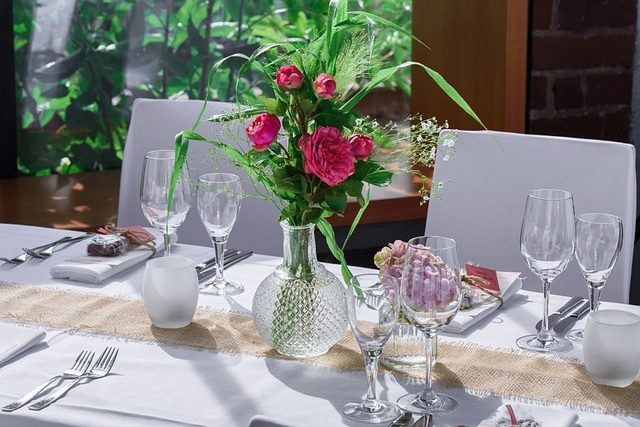
The dinner itself felt natural. It was no formal affair, just a table, a home-cooked meal, and a couple willing to send the first invitation. The surveys don’t grade the appetizers. They only ask whether the guests actually showed up.
As for us, we now owe a certain couple a dinner—and the kids have already approved the guest list.
Aaron Jeffries