
Your Estate Plan Doesn’t Chirp
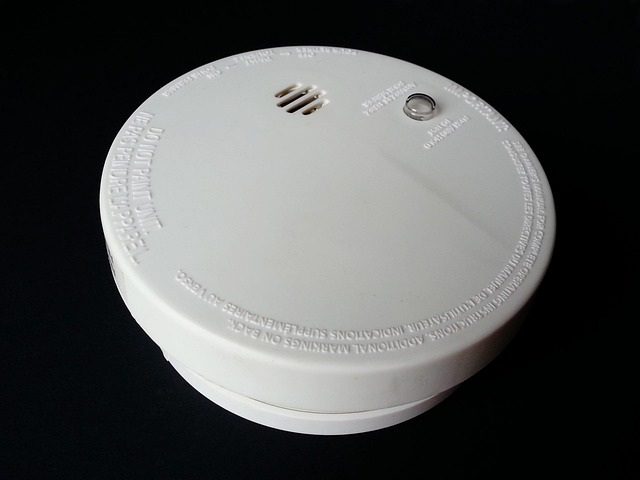
Upon returning from a trip this summer, my family was surprised to find that the smoke alarms in our house had staged a revolt. All of them had been installed together. Therefore, they all reached the end of their 10-year service life simultaneously and were diligently chirping to inform us of that fact. We consoled our frightened dog and accepted that we would be replacing the entire set.
We were pleased to learn that the replacements were an improvement over the outgoing set. In the decade since the originals were installed, many newer models had adopted sealed 10-year batteries, combined smoke and carbon monoxide detection, and more sophisticated sensor technology. While our old alarms had hung there quietly, at least until the revolt, the available standard of protection had risen.
This led me to think about how estate documents deserve to be revisited regularly, but they never provide a warning chirp. A will signed in 2012 sits in the drawer looking exactly as crisp and authoritative as the day it was signed, even as it drifts out of sync with your life and with how planning itself has evolved.
A lot can change in someone’s life in a decade. Guardians may have been thoughtfully named for kindergarteners, who now have driver’s licenses. Provisions for once-minor children now cover young adults who have entered the workforce. The named executor might have moved to another state or passed away. Perhaps a business was sold, state residency has changed, or net worth is multiples of what the plan was built around. Perhaps worst of all, an ex-spouse may still be listed on a beneficiary designation, which generally overrides whatever is stated in the will.
Estate planning practices have also evolved with tax legislation in the past decade. For example, retirement account planning changed in 2019, when new rules replaced the lifetime “stretch” payout for most non-spouse heirs with a ten-year distribution window. Trusts drafted before 2019 to receive retirement accounts don’t always interact gracefully with the new timeline. Meanwhile, the federal estate tax exemption has climbed from nearly $5 million per person in 2012 to $15 million today, or $30 million for a couple. Older plans created when exemption limits were lower might have been optimized to minimize estate tax risk. Today, those structures might risk failing to fully capture cost basis step-up advantages.
Life has also become increasingly digital over the past decade. Older powers of attorney, wills, and trusts may not expressly authorize fiduciaries to manage digital assets or access the contents of electronic communications.
Like using the test button on a smoke alarm, it can be worthwhile to revisit an estate plan every few years and review it with an estate attorney after any major life event like a marriage, death, move, or significant change in tax law. In the absence of a chirp feature, a periodic review can serve as a “test button,” helping confirm whether the plan still provides adequate protection, or if it is time for a full replacement.
Cam Simonds